Blogs & Resources
Types of Sarcasm in Novels: How Writers Use Wit to Engage Readers

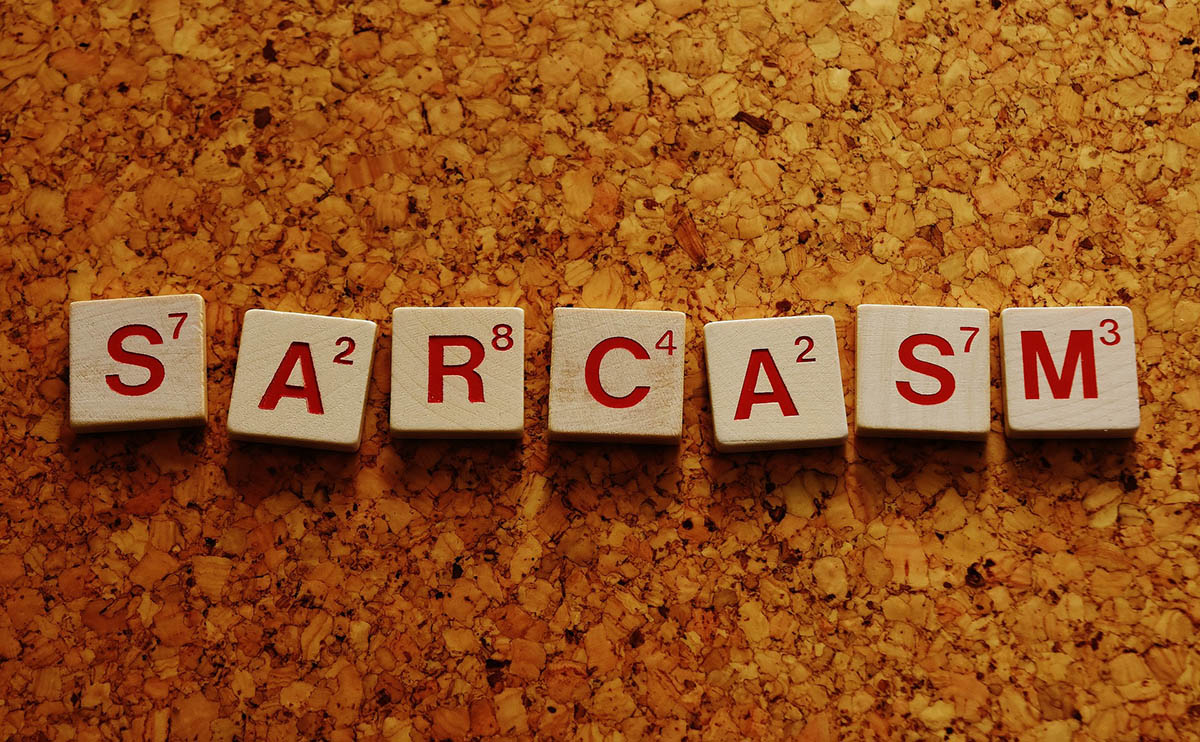
Sarcastic fiction challenges norms through sarcasm, a versatile tool in literature that adds depth, humor, and nuance to storytelling. By understanding the different types of sarcasm in novels, readers and aspiring writers can better appreciate how authors craft characters, critique society, and entertain audiences. Here are the major types of sarcasm used in novels, how they function, and examples from popular literature.
What is Sarcasm in Novels?
Sarcasm in novels is a form of verbal irony where a character, narrator, or author says something but means the opposite, often to mock, criticize, or amuse. While it’s closely related to irony, sarcasm is usually sharper, more direct, and often carries an emotional undertone such as contempt, frustration, or humor.
For example, if a character steps into a chaotic scene and says, “Well, isn’t this just perfect?” the literal words express approval, but the meaning conveys frustration or irony. Sarcasm allows authors to express complex emotions and ideas efficiently.
Why Authors Use Sarcasm in Novels
Before diving into types, it’s helpful to understand why sarcasm is used in novels:Boo
- Characterization: Sarcasm reveals personality traits, intelligence, or emotional states.
- Humor: Sarcasm provides wit and comic relief.
- Social Commentary: It critiques societal norms, politics, or human behavior.
- Engagement: Sarcasm encourages readers to read between the lines and humor improves reader engagement with the story.
- Conflict and Tension: Sarcasm can create interpersonal friction or highlight contradictions.
With these purposes in mind, let’s explore the main types of sarcasm in novels.
- Verbal Sarcasm
Definition: Verbal sarcasm occurs when a character’s spoken words say one thing but imply the opposite.
Purpose: It is commonly used to mock, criticize, or entertain.
Example: In Jane Austen’s Pride and Prejudice, Mr. Bennet often uses verbal sarcasm to mock societal norms and highlight absurdities in his family’s behavior. For instance, he might praise a ridiculous action of his daughters with exaggerated approval, making the real meaning clear to the reader.
Why It Works: Verbal sarcasm allows authors to reveal wit and intelligence while keeping dialogue engaging. It also adds layers to character interactions, showing both relationships and social hierarchies.
- Situational Sarcasm
Definition: Situational sarcasm occurs when the events or circumstances themselves are ironic, often highlighted by a character’s reaction or commentary.
Purpose: It emphasizes the absurdity or contradiction of a situation, often provoking thought or humor.
Example: In Mark Twain’s The Adventures of Huckleberry Finn, Huck’s sarcastic observations about “civilized” society point out hypocrisy and absurd social norms. The situation itself—Huck navigating a world of flawed adults—creates a natural backdrop for sarcastic commentary.
Why It Works: Situational sarcasm engages readers by allowing them to recognize the irony between appearance and reality. It combines plot and commentary in a seamless way.
- Self-Deprecating Sarcasm
Definition: Self-deprecating sarcasm occurs when characters mock themselves, often using wit to highlight their flaws, mistakes, or vulnerabilities.
Purpose: It humanizes characters, making them relatable and endearing, while also injecting humor.
Example: In J.K. Rowling’s Harry Potter series, Ron Weasley frequently uses self-deprecating sarcasm. He might exaggerate his own failures or shortcomings, such as being clumsy or unlucky, to lighten tense situations.
Why It Works: Self-deprecating sarcasm builds empathy and relatability. Readers connect with characters who can laugh at themselves, even in difficult circumstances.
- Deadpan Sarcasm
Definition: Deadpan sarcasm is delivered in a flat, emotionless tone, making the words’ ironic meaning subtle and sometimes difficult to detect.
Purpose: It creates dry humor, adds sophistication to dialogue, and can be used to mask true emotions.
Example: Oscar Wilde’s The Importance of Being Earnest is filled with deadpan sarcasm. Characters often make witty remarks without showing emotion, which enhances the comedic effect and satirical critique of Victorian society.
Why It Works: Deadpan sarcasm appeals to readers who enjoy subtlety and intellectual humor. It also allows characters to maintain composure while expressing criticism or irony.
- Polite or Formal Sarcasm
Definition: Polite sarcasm disguises criticism or mockery under a veneer of civility, often using exaggerated politeness or compliments.
Purpose: It satirizes social norms and exposes hypocrisy, especially in societies with rigid etiquette.
Example: In Jane Austen’s works, characters like Elizabeth Bennet use polite sarcasm to subtly undermine others’ pretensions without overt confrontation. Statements that appear complimentary actually carry subtle mockery.
Why It Works: Polite sarcasm is a tool for social commentary, showing how language can be used to navigate or critique social hierarchies.
- Biting or Caustic Sarcasm
Definition: This type of sarcasm is sharp, aggressive, and often intended to wound or express contempt.
Purpose: It is used to assert dominance, deliver strong criticism, or heighten tension between characters.
Example: In George R.R. Martin’s A Song of Ice and Fire, Tyrion Lannister frequently uses biting sarcasm to confront powerful figures or expose hypocrisy, often putting them on the defensive.
Why It Works: Biting sarcasm adds drama, tension, and sharpness to dialogue. It can make conflicts more vivid and characters more memorable.
- Situational or Contextual Sarcasm
Definition: Sometimes sarcasm emerges naturally from context, where the circumstances and the words combine to create irony.
Purpose: It emphasizes the absurdity of a character’s situation or highlights contradictions in the plot.
Example: In Kurt Vonnegut’s Slaughterhouse-Five, the protagonist’s sarcastic commentary on the horrors of war underscores how absurdist fiction captures the absurdity and tragedy of human conflict.
Why It Works: Contextual sarcasm allows authors to deliver social critique or philosophical insight while keeping the narrative engaging and thought-provoking.
How Understanding Types of Sarcasm Enhances Reading
Recognizing different types of sarcasm in novels helps readers:
- Appreciate Character Depth: Understanding a character’s sarcastic style reveals personality traits, intelligence, and coping mechanisms.
- Interpret Humor and Irony: Recognizing sarcasm helps readers engage with humor, satire, and wit.
- Detect Social Commentary: Sarcasm often masks critique of society, politics, or human behavior, adding layers of meaning.
- Enhance Literary Analysis: Identifying sarcasm allows for richer interpretations of themes, tone, and narrative techniques.
Sarcasm is far more than just a tool for humor in novels. It is a versatile device that writers use to enrich storytelling, deepen characterization, and engage readers on multiple levels. From verbal sarcasm to biting sarcasm, each type serves a unique purpose, whether to entertain, critique, or provoke thought.
By exploring the types of sarcasm in novels, readers can better appreciate the art of storytelling and understand the subtleties that make literature memorable. Whether through dry wit, self-mockery, or sharp social critique, sarcasm continues to be a timeless and powerful element in the novelist’s toolkit.