
Blogs & Resources
How humor shapes Symphony of Sarcasm

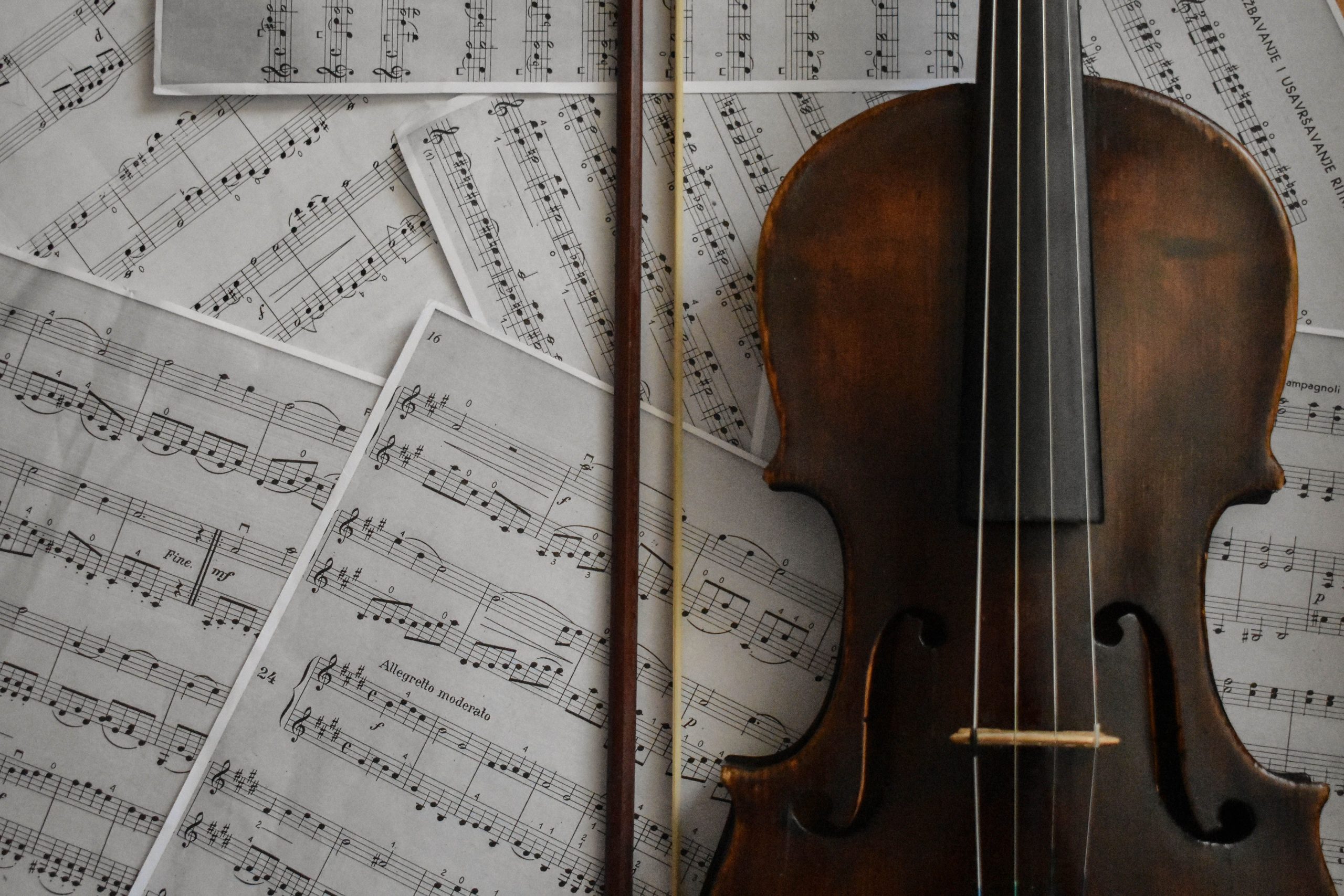
Humor can do more than make a reader smile. In a work like Symphony of Sarcasm, humor can become the structure, tone, rhythm, and emotional doorway into deeper ideas. It invites readers to keep turning pages while also making them pause and think about what the joke is really revealing.
For readers searching for how humor shapes symphony of sarcasm, the real value is not only in defining a literary technique. The value is in understanding why this kind of writing matters. Sarcasm, satire, and humor can make a story more readable, but they can also make it more honest. They help readers notice the habits, contradictions, fears, and social pressures that shape daily life. This is why absurd stories feel relatable – comic fiction can feel both enjoyable and meaningful at the same time.
Humor as the organizing force
Humor shapes Symphony of Sarcasm by giving the reader a way into ideas that might otherwise feel too direct. Sarcasm can create movement, tension, rhythm, and contrast. It can turn ordinary situations into moments of revelation. The humor is not just decoration. It becomes a method for looking at life.
This is especially important because Sarcastic books appeal to readers who do not come to fiction only for information. They come for voice, feeling, movement, and recognition. When a humorous or sarcastic story is written well, it gives readers a reason to stay involved while it asks them to examine something deeper. The comedy becomes a path toward insight rather than a break from it.
Why sarcasm needs rhythm
The word symphony suggests arrangement. Sarcasm also needs arrangement to work well. A single sharp line can entertain, but a sustained comic style depends on timing, repeated patterns, pauses, contrast, and escalation. When humor is shaped carefully, it gives the narrative energy and makes the reader alert to every change in tone.
Making reality easier to examine
Humor often makes difficult truths easier to face. Readers may resist a direct lecture about pride, hypocrisy, loneliness, pressure, or social performance. A funny scene can bypass that resistance. The reader laughs first and reflects second. This order matters because it keeps the experience human instead of instructional.
Character and voice
In sarcastic fiction, voice is central. A sarcastic narrator or character can reveal more than they intend. Their jokes may expose intelligence, pain, insecurity, anger, or disappointment. This makes humor emotionally useful. It can entertain while also giving readers clues about what a person is trying to hide.
Final thought
Humor shapes Symphony of Sarcasm by turning wit into a lens. It helps readers move through sharp observations without feeling weighed down. More importantly, it shows how comedy can hold serious meaning when the author uses it with purpose and control.
Why this matters for modern readers
Modern readers are surrounded by commentary, opinion, and quick reactions. Fiction gives them something different. It slows the experience down enough for ideas to become personal. A sarcastic or satirical book can take a familiar problem and place it inside a memorable scene, voice, or character. This makes the idea easier to understand and harder to forget.
Ultimately, how humor shapes symphony of sarcasm because humor gives fiction a double power. It entertains the reader while also creating space for reflection. A sarcastic line can expose a false belief. A satirical scene can reveal a cultural pattern. A darkly funny moment can help readers face something they might otherwise avoid. This balance is what makes humorous and satirical fiction valuable for modern readers. It proves that laughter is not separate from serious thought. Often, laughter is the first sign that a serious truth has finally reached the surface.